Menu Engineering for Restaurants: A Practical Guide
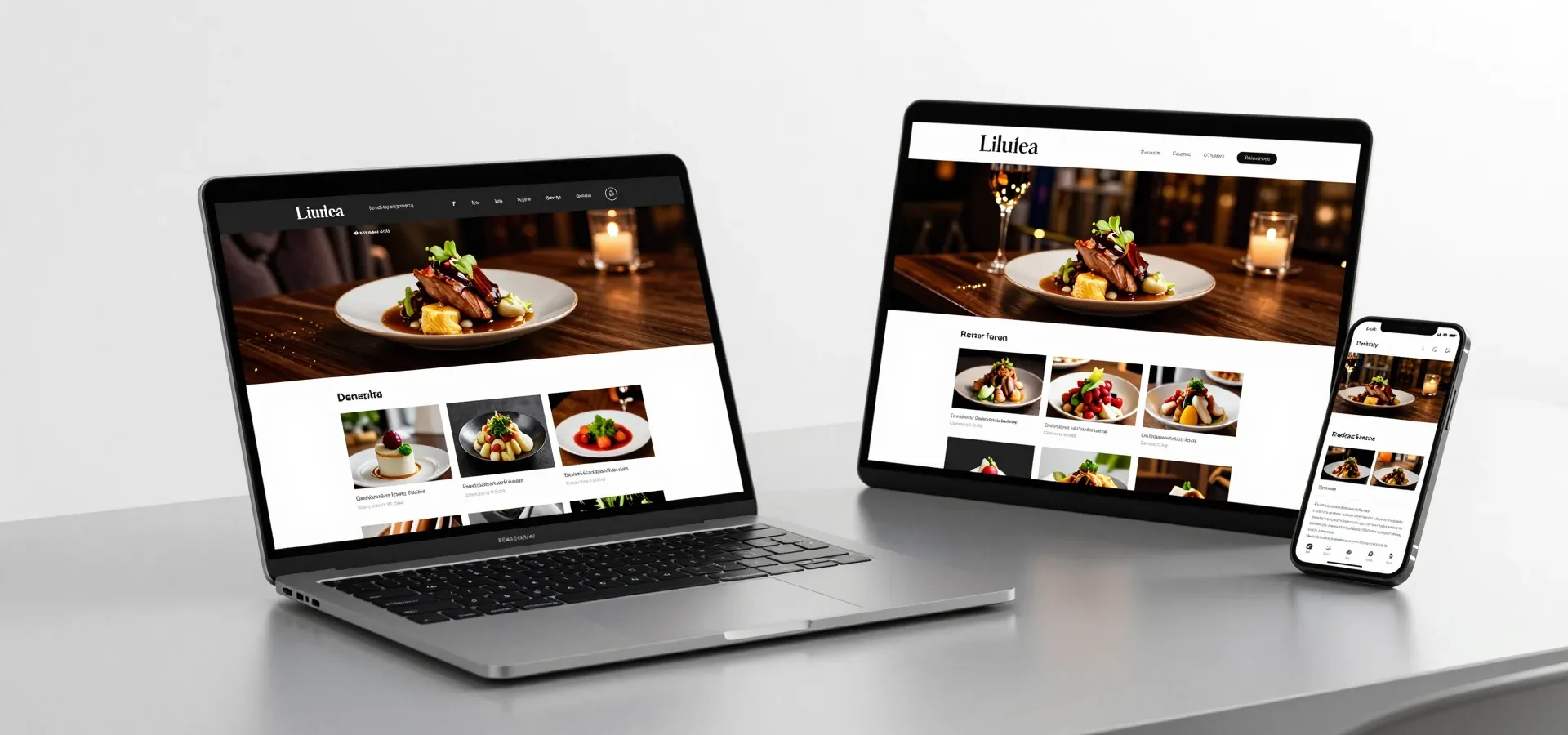
Menu engineering for restaurants helps owners decide what to keep, improve, promote and remove from a menu. It combines customer choice, food costs, kitchen effort and brand positioning. The aim is not simply to make a menu shorter or more expensive. The aim is to give guests a clear choice while supporting a restaurant that can deliver consistently.
This practical guide explains how to review a menu before a refresh, new opening or campaign. Use it with real sales and kitchen information. It does not replace advice from your accountant, chef or qualified operational advisers.
What is menu engineering for restaurants?
Menu engineering is a structured review of each dish. Start by looking at demand, contribution to the business, preparation time, consistency and the dish’s place in the guest experience. A popular item that slows every service may need a different approach from a less popular item that is easy to prepare and fits the concept well.
Before changing anything, define the job of the menu. Is it designed for fast weekday lunch, a long evening experience, direct ordering, delivery, or a combination? A menu engineering and menu design service can turn those questions into a clearer working brief.
Start with the restaurant concept and guest journey
Menu changes should follow the concept, not just a spreadsheet. Write down the intended guest, occasions, price position and reason people should choose your venue. Then check whether the menu makes that promise easy to understand. If the foundation feels unclear, begin with brand development and auditing and use brand identity and guidelines to keep your menu, packaging, signage and content aligned.
Location also shapes choice. Guests in a business district may need a different lunch offer from guests visiting for an evening occasion. Review F&B location sourcing and site checks alongside your customer assumptions. For an early-stage concept, a restaurant feasibility analysis can help test whether the offer fits the market and site before a large menu is built.
Build a simple menu review sheet
Use one row per dish, drink or bundle. Add the information your team can actually maintain. Keep the first review simple and consistent.
- Item name and menu section
- Number sold during a defined period
- Food and packaging inputs
- Preparation and finishing steps
- Service issues or frequent guest questions
- Photograph or presentation status
- Whether the item supports the concept
Do not judge an item from one busy weekend. Compare a suitable period, note seasonality and ask the floor and kitchen teams what happens during service. A dish can look attractive in a report but create waste, slow service or confuse guests.
Group the items before making decisions
Separate items into four working groups: dishes guests repeatedly choose, dishes with good potential but low visibility, dishes that create operational friction, and dishes that no longer fit the menu. This avoids treating every low-selling item as a failure. Sometimes the right action is better placement, clearer wording or a useful pairing.
For example, a signature dish may need better visual treatment rather than a recipe change. Plan the asset list with creative video ads and Reels, then use motion design and graphics when a screen, menu board or social asset needs to explain an offer clearly.
Make the menu easy to scan and order from
A menu should guide a guest without pressure. Use logical sections, familiar labels and short descriptions that explain what matters. Place the items you want guests to notice where they are easy to find. Avoid hiding useful information behind decorative language.
Test the menu on the formats your customers use. A printed menu, table QR code, online ordering page and social post each need a slightly different approach. Restaurant website design and development can make the online journey clearer, while F&B e-commerce and online ordering helps connect menu choice to an order flow.
Check the kitchen and dining-room flow
Every change affects people behind the scenes. Confirm that the kitchen has the equipment, storage and service flow needed for the revised offer. Coordinate menu changes with commercial kitchen design and restaurant interior concepts and layout. Where a project includes multiple moving parts, a turnkey restaurant project plan can keep responsibilities clear.
Staff need to understand ingredients, timing and guest questions before a menu goes live. Include this in your F&B talent acquisition and training plan. A confident team can explain the offer naturally; a rushed launch can turn a good menu into an inconsistent experience.
Use marketing to support the menu, not distract from it
Once the menu is ready, decide which dishes and occasions deserve attention. Build a content plan around the items the restaurant can serve reliably. A specialist food and beverage social media agency can shape a useful calendar, while social media management and advertising helps maintain publishing, community responses and campaign coordination.
When people search with a clear need, Google Ads management for restaurants may support the right landing page. It should sit inside a broader F&B digital marketing plan with working tracking, menu details and an easy action to take. Do not send paid traffic to a page that has an outdated menu or unclear booking route.
For restaurant groups, keep the core menu rules consistent but allow relevant outlet differences. If expansion is a long-term aim, document the repeatable parts before exploring food and beverage franchise support or franchise development.
Plan the review around a launch or refresh
A menu review is useful before a reopening, rebrand, new outlet or marketing campaign. If you are preparing to open, use the restaurant opening checklist in Dubai to coordinate menu, team, website and launch tasks. For a broader review of scope questions, see restaurant marketing cost in Dubai; it explains how to compare work without relying on fixed package prices.
Some menu changes also need a physical or public moment. connext events and PR can support a hosted experience when it is appropriate to the launch. You can also see relevant creative work in the BrandXb project portfolio and learn about the BrandXb team.
Learn from related marketing resources
Menu performance becomes stronger when the marketing activity around it is measured and maintained. Read our F&B digital marketing strategies for a wider channel view. For emerging creative formats, review the AI influencer marketing UAE guide and our guide to AI-powered marketing personalization. Use new technology only where it improves a real guest journey.
For wider brand and business support, explore BrandXb services, foodxb F&B consultancy, and the BrandXb home page. If you are considering a future team role, visit BrandXb careers.
Frequently asked questions
How often should a restaurant review its menu?
Review operational and sales signals regularly, then schedule larger menu decisions when there is enough evidence. The right frequency depends on the business, season and service model.
Does menu engineering mean removing low-selling dishes?
Not automatically. First check placement, description, staff confidence, preparation effort and how the item supports the concept. Remove an item only when the evidence supports that decision.
Should we promote every menu item online?
No. Choose the dishes, occasions and offers that best represent the restaurant and can be delivered consistently. A smaller, clear content plan is often easier to maintain.
Review your menu with BrandXb
Start with your current menu, guest profile, service model and main business goal. BrandXb can help connect menu thinking with brand, website, content and launch planning. For public creative updates, follow BrandXb on Instagram. To discuss your restaurant, contact BrandXb about menu engineering.